Purpose
Business creates the jobs, incomes and goods on which development depends. Law sets the limits within which business operates, so that production does not come at the expense of people and the environment. Both exist to advance development.
We work where the three meet: where a due diligence law, a certification standard or a company’s sourcing policy reaches a mine, a farm or a factory. We measure whether these rules deliver for the people and places they are meant to protect. Our purpose is to bring independent scrutiny to the questions in this space where evidence is thin, and to publish what we find so that debate can rest on evidence.
Our team combines law, economics and public policy. Legal expertise tells us what a rule requires; economics lets us model and measure what it does; public policy research keeps the focus on the outcome that matters most: what changes for rightsholders and the people a rule is meant to benefit.

Team
A small core in Berlin, research associates across Africa, Europe and the Americas, a legal research group, and advisors.
Researchers


Research associates
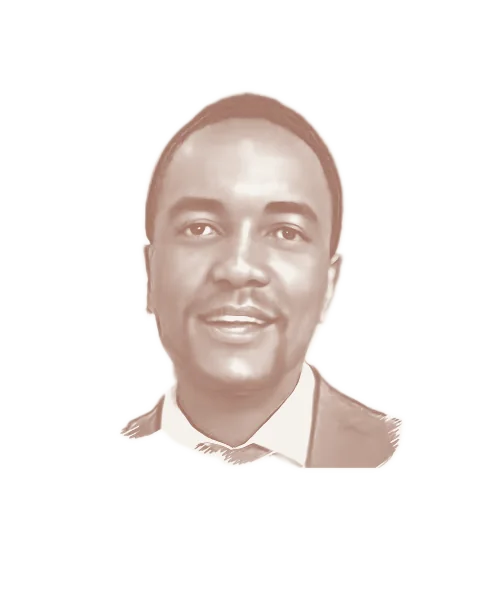

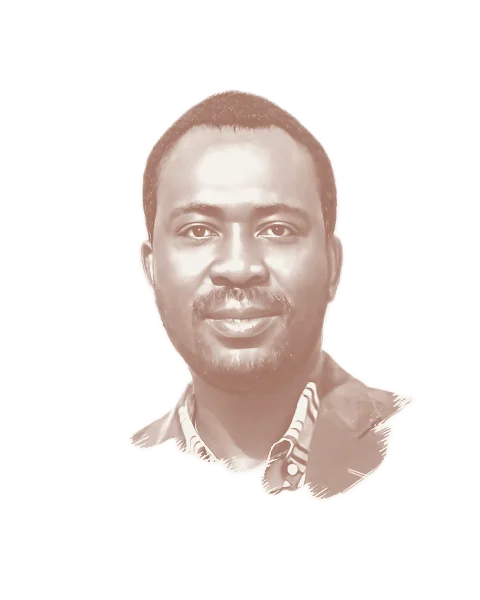






Legal research




Operations

Advisors


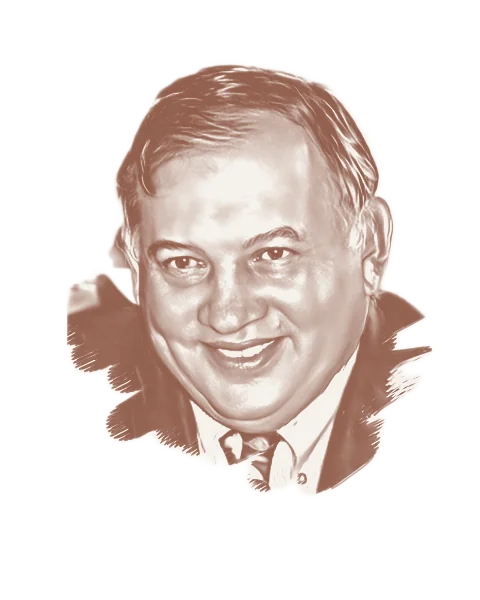

Executive board members


Strategy 2026–2030
Our theory of change
The rules for responsible business are multiplying; evidence on whether they work is thin. We produce that evidence across the three pillars of the UN Guiding Principles, and follow it through to what changes for people.
- Our independence is maintained, and seen to be
- Rule-makers weigh evidence when rules are reviewed
- Companies respond to measured findings as well as to enforcement
- Frameworks adopted and evidence cited in regulation, reviews and consultations
- Change in practice across repeat benchmarks of the same population
- Outcome measures from evaluations at the level of rightsholders
- Uptake of open tools and data
How we are governed
A registered public-benefit association (gemeinnütziger eingetragener Verein) under German law. Our research serves the purposes set out in our statutes, under the oversight of an elected board.
Our public-benefit status is recognised by the German tax authorities. Income is used for the purposes in our statutes and no surplus is distributed.
An elected board oversees our finances and our adherence to the statutes.
Commissioned research remains scientifically independent: the findings rest on the evidence alone. Scoring frameworks are fixed before scoring begins and published with each study.
Most of our research is published, as our statutes require. Confidential studies stay confidential. The methodological lessons they teach us do however improve our public work.
Our principles
Our conclusions are our own. Commissioned research remains scientifically independent: the findings rest on the evidence alone.
We use established scientific methods and publish how we apply them, so others can check our work.
We report what the evidence supports, including its limits and uncertainties.
We judge rules and programmes by what changes for workers, communities and ecosystems.
Our fieldwork rests on informed consent, anonymity and safeguarding, especially where children are involved.